Pre-seed open · twelve months to first market AVIX Pharmaceuticals Limited · UK & Bangladesh
41 combinations screened · 7 leads selected

Twelve months from proof of concept to first market.

Green Antibiotics develops plant-derived antimicrobial combinations for poultry and aquaculture. We have reproducible in-vitro activity against MRSA and multidrug-resistant Salmonella Typhi, and a two-track route to market that reaches revenue in year one while the long-form regulatory dossier is built behind it.

41
Combinations screenedIn-house, repeat assays
$1.05bn
Phytogenic additive market, 2024Growing to $1.48bn by 2030
18%
Of animal antimicrobial use is poultryWOAH ANIMUSE
12mo
To first commercial saleSouth Asia track
How antibiotic use in animal agriculture drives antimicrobial resistance that spreads to humans through food, manure, water and direct contact
How resistance reaches peopleAntibiotics given across farmed flocks and herds select for resistant bacteria that reach humans through food, animal manure on crops, water, and direct contact.
The problem

Antibiotics are being spent faster than they can be replaced.

Roughly two thirds of all antimicrobials are used in food-producing animals, much of it given across whole flocks and ponds. Resistance selected on farms does not stay on farms — it circulates back to people through several routes at once.

  • Resistant bacteria enter the food chain through meat and eggs
  • Animal manure carries resistant bacteria onto crop fields
  • Excreted waste spreads resistance through water and the environment
  • Direct handling of animals transfers resistant organisms to people

Volume keeps rising

Global veterinary antimicrobial use was estimated at 99,502 tonnes in 2020 and is projected to reach 107,472 tonnes by 2030 — concentrated in intensifying middle-income markets.

Critical drugs still grow animals

Nearly 20% of WOAH member states report using antimicrobials as growth promoters, and 11% report using colistin — a highest-priority critically important antimicrobial for human medicine — for that purpose.

The cost is measured in lives

The 2024 GRAM analysis in The Lancet forecasts 39 million deaths from bacterial AMR between 2025 and 2050, with associated deaths rising from 4.71 million in 2021 to 8.22 million in 2050.

Our approach

A discovery platform, not a single herbal mixture.

Avix combines drug-discovery experience, literature-guided compound selection and AI and machine-learning-assisted analysis to design and screen defined plant-derived antimicrobial cocktails against priority livestock and zoonotic pathogens. The platform is built to generate multiple candidates, each tuned to a species, pathogen and production system — a repeatable process rather than one fixed blend.

  • 41 proprietary combinations designed and screened against resistant pathogens
  • 7 lead cocktails selected for further development
  • Each lead combines three complementary plant-derived compounds designed to act across multiple bacterial pathways
  • Aimed at reducing dependence on conventional antibiotics in poultry and wider animal agriculture
  • Co-developed by Dr Md Arif Sheikh and Dr David Brown, originator of the antibiotic resistance breaker concept
Cattle41%
Swine21%
Poultry18%
Aquaculture9%

Share of global antimicrobial use in animals by species group. WOAH ANIMUSE, reported by 152 of 182 member countries. Poultry and aquaculture — our focus — together account for around a quarter of the total.

Strategy

Two tracks, running at once.

Twelve months to market is achievable — but only on one of these tracks. Being explicit about which is what makes the plan credible rather than optimistic.

Track A — South Asia, no efficacy claims

12 months

Launched as a botanical feed material, sold on composition and quality rather than therapeutic claims. Produces revenue, manufacturing experience, distribution relationships and real-world field data — all of which strengthen Track B.

Months 0–3
File IP
Priority applications before any further disclosure
Months 2–7
In-vivo study
Efficacy, performance, safety, residues
Months 6–10
Manufacture
CMO batches, potency assay, stability
Months 10–12
First sales
Named distribution partner, initial flocks

Track B — EU and UK, authorised additive

3–4 years

Feed additives cannot be placed on the EU market without authorisation following EFSA assessment, and practitioners put the full process at three to four years. Authorisations then run for ten years — which is exactly why an authorised product is valuable.

Year 1
Dossier design
Protocols built to EFSA requirements from the outset
Year 1–2
Safety package
Tolerance, toxicology, residues, environment
Year 2–3
Efficacy trials
Multi-site, statistically powered
Year 3–4
Submission
EFSA opinion, then Commission decision
Why this matters to an investor

Revenue early, defensibility later

Most early-stage animal health companies pick one track. Track A alone produces a commodity with no barrier to entry. Track B alone means four years of spend before a single sale. Running both means the South Asian business helps fund the European dossier, and the European authorisation eventually protects everything.

Where we are

Honest about the stage we are at.

We have proof of concept in vitro. We do not yet have in-vivo efficacy data, toxicology, residue studies or filed IP. The funded phase is designed to produce all four.

Complete
Platform design
Compound selection and combination rationale
Complete
In-vitro screening
41 combinations against two resistant targets
Now
Lead selection & IP
MIC characterisation, patent filing, formulation
Next
In-vivo poultry study
Efficacy, safety, residue and performance endpoints
Then
Market entry
Manufacture, distribution, first commercial sale
Investors & partners

Raising to fund the twelve-month plan.

Patent filing, in-vivo poultry study, manufacture and first distribution — with the EU dossier designed in from the start so no work is wasted.

Important

What we are not claiming

Our results to date are in-vitro screening data. They do not demonstrate efficacy in live animals, and they say nothing about safety, residues or withdrawal periods. No Green Antibiotics product is authorised for sale in any market. Any statement about performance in animals will be made only when in-vivo data supports it.

The challenge

Resistance is selected on farms and paid for in hospitals.

Antimicrobial resistance is a measured, rising burden. Animal agriculture is one of its largest single drivers, and the sector's own economics depend on solving it.

Scale

One million deaths a year, every year, since 1990.

The GRAM project's 2024 analysis in The Lancet is the current reference. It found over a million deaths attributable to bacterial AMR annually since 1990, and forecasts a sharp rise to mid-century.

  • 39 million cumulative deaths forecast between 2025 and 2050
  • Associated deaths rising from 4.71m in 2021 to 8.22m in 2050
  • Attributable deaths rising from 1.14m to 1.91m over the same period
  • Better care and access could avert an estimated 92 million deaths
Forecast burden, GRAM 2024 2021 2050 4.71m 8.22m 1.14m 1.91m TEAL: ASSOCIATED · GREY: ATTRIBUTABLE

GBD 2021 Antimicrobial Resistance Collaborators, The Lancet, 2024.

Agriculture's role

Where the antibiotics actually go.

Most antimicrobials are not used to treat sick animals individually. They are given across flocks and ponds in feed and water — and in some countries, still to make animals grow faster.

Growth promotion

Still in use

Nearly 20% of WOAH member states report antimicrobials used as growth promoters. Eleven per cent report colistin used for that purpose — a drug classified as highest-priority critically important for human medicine.

Concentration

A few markets dominate

China alone accounted for approximately 32,776 tonnes of veterinary antimicrobial use in 2020. Growth is fastest in intensifying middle-income markets, where regulation is weakest.

Regulation

Tightening steadily

The EU banned antibiotic growth promoters in 2006 and further restricted routine prophylactic use under Regulation 2019/6. Producers exporting into these markets need alternatives, not exemptions.

Animals POULTRY · FISH Humans FOOD · CONTACT Environment WATER · MANURE RESISTANCE CIRCULATES
One Health

Resistant bacteria do not respect the farm gate.

Resistance genes selected in poultry houses and fish ponds move through meat and eggs, through direct contact with animals, and through manure applied to land and run-off into water. Salmonella colonises the poultry gut and reproductive tract and spreads through asymptomatic carriers. MRSA transfers to humans through handling and consumption.

This is why reducing antibiotic use in animals is a human health intervention, not only an agricultural one — and why it attracts policy support, development finance and buyer-side pressure at the same time.

Our science

Combinations, not compounds.

Single plant extracts have been used in feed for decades with inconsistent results. Avix designs defined multi-compound cocktails and screens them systematically — 41 screened to date, seven selected as leads.

The platform

How a candidate is built.

Step one

Compound selection

Plant-derived antimicrobials selected from published literature on documented antibacterial activity, established use in food or feed, and availability at agricultural scale.

Step two

Combination design

Compounds combined in defined ratios to act on several bacterial targets at once — membrane integrity, efflux, biofilm formation — rather than a single mechanism.

Step three

Screening and selection

Each combination screened against priority pathogens in repeat assays. Those showing reproducible activity progress; those that do not are dropped. Forty-one have been through this process.

The rationale

Why combinations may hold up better against resistance.

A conventional antibiotic usually acts on one molecular target. A single mutation can confer resistance. A combination acting on several targets requires several simultaneous changes — the reasoning behind combination therapy in tuberculosis and HIV.

Dr David Brown's antibiotic resistance breaker concept adds a second angle: a compound with little antibacterial activity of its own can restore the effectiveness of an existing antibiotic. Part of our programme tests whether our combinations can work alongside conventional drugs as well as in place of them.

Honest limitations

What this reasoning does not prove

A higher barrier to resistance is a hypothesis, not a finding. We have not yet run serial-passage experiments, the standard test for how quickly resistance develops under repeated exposure. Those are in the next phase.

Plant-derived does not mean automatically safe. Botanical compounds can be toxic, leave residues and interact with animal physiology in ways that require formal study. We treat our candidates as unproven until tested.

What we show publicly

Two organisms, chosen to represent the platform.

Forty-one proprietary Green Antibiotics™ cocktails have been screened, yielding seven leads. To protect the wider programme while showing transparent progress, this website presents representative in-vitro findings against just two important drug-resistant organisms. They are examples that demonstrate the screening platform — not the full testing programme or commercial pipeline.

Target pathogens

Chosen because they matter to both animals and people.

Target one

Methicillin-resistant Staphylococcus aureus

In poultry, associated with joint infections, abscesses, dermatitis and sepsis, contributing to reduced growth and higher mortality. Transfers to humans through handling and consumption, causing wound, respiratory and bloodstream infections. Among the leading contributors to global AMR deaths.

Target two

Salmonella, including S. Typhi

Colonises the poultry gut and reproductive tract, contaminating eggs, meat and litter, often spreading undetected through asymptomatic carriers. In humans causes severe gastrointestinal illness and, for S. Typhi, typhoid fever — with rising drug resistance.

A note on disclosure

Why our formulations are not published here

Compounds, ratios and combination logic are not described on this website. Public disclosure before a patent application is filed can destroy the novelty required to obtain protection. Detailed scientific information is shared with investors, partners and collaborators under confidentiality agreement.

The opportunity

The potential Green Antibiotics advantage.

What a defined, plant-derived cocktail platform could offer if the current in-vitro results are confirmed in formulation, safety and animal studies. These are development goals and hypotheses to be tested — not proven product claims.

Defined multi-compound design

Plant-derived formulations built to a specification, each combining three complementary compounds — not a variable botanical blend.

Aimed at reducing antibiotic use

Designed as potential alternatives that could lower dependence on conventional antibiotics in animal agriculture.

Multiple mechanisms

Acting across several bacterial pathways may raise the barrier to resistance — a hypothesis the funded phase is designed to test.

Practical delivery

Formulation work targets compatibility with existing feed and drinking-water dosing infrastructure.

A pipeline, not a single product

Seven leads selected from 41 screened cocktails, intended to address a range of poultry-associated pathogens.

Validation planned

Safety, residue, stability and controlled in-vivo studies are the next stage before any efficacy or safety claim is made.

Evidence

Proof of concept, stated precisely.

What we tested, what we found, what it means and what it does not mean. We would rather be believed than impressive.

Disc diffusion assay plates and zone-of-inhibition table for MRSA and multidrug-resistant Salmonella Typhi
Figure 1 — disc diffusion assay (AV-01)Clinical isolates of MRSA and multidrug-resistant S. Typhi exposed to a comparator antibiotic (disc 1) and to increasing doses of the AV-01 water extract (discs 2–5). Larger zones indicate greater antibacterial activity; assays repeated to confirm reproducibility.
Method

What we did.

Forty-one candidate combinations screened against clinical isolates of MRSA and multidrug-resistant Salmonella Typhi using disc diffusion, with a conventional antibiotic as comparator. Assays repeated to establish reproducibility.

Result

What we found.

The comparator produced little or no measurable inhibition against these resistant isolates, as expected from their resistance profile. Several candidate combinations produced clear zones. The strongest was a triple combination reaching approximately 20 mm against S. Typhi and 15 mm against MRSA, consistent across repeats.

Interpretation

What this does — and does not — establish.

Reproducible in-vitro inhibition of two clinically important multidrug-resistant organisms is a legitimate proof of concept. It justifies the next stage of investment. It is why we are raising.

It is not evidence of efficacy in animals. Disc diffusion measures diffusion through agar as well as potency, so zone diameters cannot rank potency against a structurally different comparator. Nothing here addresses dose, delivery, stability, palatability, absorption, toxicity or residues.

Next studies

What the funded phase produces

  • Minimum inhibitory concentrations across an expanded isolate panel
  • Serial-passage studies measuring resistance development
  • Cytotoxicity and preliminary safety screening
  • Formulation and stability work for feed and water delivery
  • Controlled in-vivo poultry study, designed to EFSA data standards
  • Independent verification through a contract research organisation
Data access

The full data set is available under NDA.

Raw plate images, measurement tables, repeat data and the screening protocol are shared with investors, prospective partners and scientific collaborators on request.

Discipline about failure

Thirty-four of forty-one did not progress

We publish the denominator, not only the seven that progressed. That is the standard either founder would apply to a pharmaceutical programme, and it is the fastest way to tell whether a screening claim is real.

Market & applications

A real market, honestly sized.

Our earlier materials quoted the $200bn aquaculture and $350bn poultry sectors. Those are sector output figures, not addressable market. This is the addressable market.

Sizing

The phytogenic feed additive market.

Published estimates vary because analysts define the category differently. We show the spread rather than the largest number.

Market forecasts to 2030, USD 2024 2030 $1.05bn $1.48bn $2.14bn $0.96bn SOLID: CENTRAL CASE · BAND: ANALYST RANGE

Central case: Grand View Research, $1.05bn (2024) to $1.48bn (2030), 6.04% CAGR. Upper: Strategic Market Research, $2.14bn by 2030. Lower: Mordor Intelligence, $955m by 2030 on a narrower category definition.

Reading the range

Why the estimates differ by more than double.

The spread is not noise. It reflects whether an analyst counts only essential-oil phytogenics or the broader botanical additive category, and whether feed-material sales are included alongside registered additives.

We plan against the conservative case. A business that works at $955m works better at $2.14bn; the reverse is not true.

  • Poultry is the largest animal segment across every source, at roughly $493m in 2024
  • Asia Pacific is the largest region, with China forecast to grow fastest to 2030
  • Antibiotic-growth-promoter replacement is the fastest-growing application segment
  • Asia benefits from proximity to essential-oil production in India and Southeast Asia, lowering input cost — directly relevant to our supply chain
Competitive position

Who we are competing with.

The category has substantial incumbents with distribution we do not have. Our route in is evidence they have not generated, in a segment they under-serve.

Player typeExamplesStrengthWhere we differentiate
Global nutrition majorsCargill, DSM-Firmenich, Adisseo, IFF (Danisco Animal Nutrition), Land O'LakesDistribution, regulatory capability, capitalPositioned on performance and gut health rather than defined activity against resistant pathogens
Phytogenic specialistsDelacon, Phytobiotics, Kemin, AnparioCategory expertise, established productsFew publish controlled data against named multidrug-resistant organisms
Regional producersLocal South Asian manufacturersPrice, proximity, relationshipsMinimal characterisation, inconsistent potency, no dossier ambition
Green AntibioticsDrug-discovery screening discipline; seven leads from 41 screened cocktailsNo distribution, no authorisation, no revenue. That is what the round addresses
Pipeline

Seven lead cocktails: AV-01 to AV-07.

Each AV candidate is a defined cocktail of three selected plant-derived compounds, drawn from the 41 screened to date. AV-01 is the publicly demonstrated lead shown in our assay evidence; AV-02 to AV-07 are further leads intended, together, to cover the major poultry-associated bacterial challenges. Stage labels are deliberately conservative — nothing is described as ready for market, because nothing is.

Publicly demonstrated lead
AV-01
Proprietary three-compound cocktail (A© + B© + C©)
The triple-compound cocktail presented in our public evidence. In repeat disc-diffusion assays it produced clear zones of inhibition against both test organisms, reaching approximately 20 mm against multidrug-resistant Salmonella Typhi and 15 mm against MRSA, where the comparator antibiotic produced little or none.
TargetsMRSA & multidrug-resistant S. Typhi
ApplicationBroiler poultry — in-feed or in-water
StageIn-vitro lead confirmed
NextMIC / MBC characterisation, then controlled in-vivo poultry study
AV-02
Proprietary three-compound cocktail
Second lead selected from the wider screening programme, focused on enteric Salmonella control in poultry.
TargetSalmonella spp.
ApplicationBroiler & layer, in-water
StageIn-vitro lead selected
NextRepeat confirmation & MIC panel
AV-03
Proprietary three-compound cocktail
Lead directed at colibacillosis-associated E. coli, a leading cause of poultry morbidity and condemnation.
TargetEscherichia coli
ApplicationBroiler poultry, in-feed
StageIn-vitro lead selected
NextRepeat confirmation & MIC panel
AV-04
Proprietary three-compound cocktail
Lead targeting Campylobacter, a priority food-safety organism in poultry supply chains.
TargetCampylobacter spp.
ApplicationBroiler poultry, in-water
StageRepeat confirmation
NextMIC / MBC characterisation
AV-05
Proprietary three-compound cocktail
Companion lead to AV-01 against staphylococcal infection, developed for feed-based delivery.
TargetStaphylococcus aureus incl. MRSA
ApplicationBroiler & layer, in-feed
StageRepeat confirmation
NextMIC / MBC characterisation
AV-06
Proprietary three-compound cocktail
Lead addressing Klebsiella, an opportunistic and increasingly drug-resistant poultry pathogen.
TargetKlebsiella spp.
ApplicationPoultry, in-water
StageRepeat confirmation
NextMIC / MBC characterisation
AV-07
Proprietary three-compound cocktail
Broad-spectrum lead intended to cover mixed enteric pathogens common in intensive poultry systems.
TargetBroad enteric panel
ApplicationLayer & broiler
StageRepeat confirmation
NextExpanded isolate screening
Pipeline at a glance

Investor summary.

CandidateCompositionRepresentative targetIntended applicationStageNext milestone
AV-01Proprietary three-compound cocktailMRSA & MDR S. TyphiBroiler, feed/waterIn-vitro lead confirmedMIC/MBC & in-vivo study
AV-02Proprietary three-compound cocktailSalmonella spp.Broiler & layer, waterLead selectedRepeat confirmation & MIC
AV-03Proprietary three-compound cocktailE. coliBroiler, feedLead selectedRepeat confirmation & MIC
AV-04Proprietary three-compound cocktailCampylobacter spp.Broiler, waterRepeat confirmationMIC/MBC characterisation
AV-05Proprietary three-compound cocktailS. aureus incl. MRSABroiler & layer, feedRepeat confirmationMIC/MBC characterisation
AV-06Proprietary three-compound cocktailKlebsiella spp.Poultry, waterRepeat confirmationMIC/MBC characterisation
AV-07Proprietary three-compound cocktailBroad enteric panelLayer & broilerRepeat confirmationExpanded isolate screening

Composition is withheld to protect intellectual property. Compound identities and ratios are shared with investors and partners under confidentiality agreement. Development stages are in-vitro; efficacy, safety, residue and withdrawal characteristics in live animals remain to be established.

Poultry

The fastest route to evidence.

Broiler production runs on six-week cycles with tightly measured inputs and outputs. Feed conversion ratio, mortality, weight gain and pathogen load are recorded as standard, so a trial produces a commercially meaningful read-out in a single cycle.

  • Delivery in feed or drinking water, using existing dosing infrastructure
  • Endpoints producers already measure, so value is easy to demonstrate
  • Cycles short enough to iterate formulations within a funding round
Aquaculture

Larger problem, longer path.

Aquaculture accounts for roughly 9% of reported animal antimicrobial use, though the true figure is likely higher because reporting in major producing countries is incomplete. Antibiotics enter pond water directly, making environmental release a defining problem of the sector.

We treat aquaculture as a second application rather than a parallel one. Different pathogens, delivery, stability requirements and regulators. We enter it once poultry data exists.

Unit economics

Producers buy on cost per bird.

The decision is not ideological. A feed additive is adopted when it costs no more per animal than what it replaces, delivers a measurable production gain, or unlocks a market the producer cannot otherwise sell into.

Cost in use

Parity is the target

Cost parity with in-feed antimicrobial use per bird per cycle. Formulation work in the funded phase aims to achieve that at agricultural raw-material scale, using regional essential-oil supply.

Performance

Pays for itself

If lower pathogen load improves feed conversion or reduces mortality, the product justifies itself regardless of regulation. The in-vivo study measures exactly the metrics producers already track.

Market access

A licence to keep a buyer

Producers exporting to the EU and UK face tightening restrictions on prophylactic antimicrobial use. For them the product is not a cost but a route to retaining the customer.

To be completed

What this page still needs

A bottom-up model: birds treated per cycle, dose per bird, cost per dose at scale, achievable penetration in the beachhead market and resulting serviceable revenue. That model sits in the investor pack rather than on a public page, because the assumptions deserve discussion rather than a skim.

Roadmap

Twelve months to first sale. Four years to a moat.

Two regulatory routes with very different timescales, run deliberately in parallel so the fast one funds and de-risks the slow one.

The next twelve months

Quarter by quarter.

Every item is fundable, measurable and dated. Nothing here depends on an approval we do not control.

QuarterWorkstreamDeliverableWhy it matters
Q1Intellectual propertyPriority patent applications filed on lead combinationsWithout this the platform is unprotected and the company is hard to value
Q1LaboratoryMIC panel across expanded isolate set; serial-passage protocol agreedConverts screening data into characterisation data regulators recognise
Q2–Q3In-vivoControlled broiler study: efficacy, feed conversion, mortality, safety, residuesThe single result that determines whether this becomes a product
Q2RegulatoryClassification confirmed with advisers in Bangladesh, UK and EUDetermines dossier scope and what may lawfully be claimed
Q3ManufactureCMO batches produced; potency assay and stability programme runningBatch consistency is the category's known failure mode
Q3–Q4CommercialDistribution agreement signed in beachhead marketConverts a laboratory result into a route to a customer
Q4CommercialFirst commercial sales on Track ARevenue, field data, and proof that producers will pay
Q4TeamAnimal-health regulatory and commercial hireThe capability the founding team does not currently have
Regulatory reality

Why the twelve-month plan is not a European plan.

Feed additives may not be placed on the EU market unless authorised following scientific evaluation by EFSA. EFSA gives an opinion within six months of a valid application, extendable if further information is requested, after which the Commission and member states decide. Industry practitioners put the full process — study design, dossier preparation and submission through to decision — at three to four years.

Authorisations then run for ten years and are renewable. That is the point. The barrier that makes Europe slow to enter is the same barrier that protects you once you are in.

So we do not claim a twelve-month European launch. We claim a twelve-month launch in a market where a botanical feed material can be sold without therapeutic claims, and a four-year programme to an authorisation competitors would need four years of their own to match.

The design decision that saves two years

Build Track A studies to Track B standards

The in-vivo poultry study could be run cheaply to answer a commercial question, or run properly to EFSA data requirements for modestly more. We are doing the second. The study that supports the first sale then becomes part of the European dossier, rather than work repeated later at full cost.

Our team

Built by two drug discoverers, together.

Green Antibiotics is not a founder with an advisor. The screening programme was designed and run jointly by Dr Md Arif Sheikh and Dr David Brown, combining structural biology with four decades of antibacterial discovery experience.

Dr Md Arif Sheikh
Founder & Chief Executive

Dr Md Arif Sheikh, PhD

Molecular and structural biologist with more than nineteen years across drug discovery, protein science and biotechnology innovation. Designed and ran the 41-combination screening programme, and leads the company's UK and Bangladesh operations. Responsible for candidate design, laboratory execution and the route to market in South Asia.

Structural biologyProtein scienceScreening designOperations
View Dr Arif's profile
Dr David Brown
Co-developer & Scientific Lead

Dr David Brown, PhD, FRSM

Experienced drug discoverer and biotechnology advisor, and originator of the antibiotic resistance breaker concept — the principle that a compound with little antibacterial activity of its own can restore the effectiveness of an existing antibiotic. Co-designed the combination strategy, the selection criteria and the interpretation framework applied to the screening results.

Antibacterial discoveryResistance breakersProgramme strategyCandidate selection
View Dr Brown's profile

The feed industry has treated plant extracts as nutrition. We treated them as chemistry — selected against defined targets, combined deliberately, and screened until something either worked repeatedly or was dropped.

Dr Md Arif Sheikh, Founder & Chief Executive
How we work

Where the collaboration actually shows.

Two people from different ends of antibacterial research produced a programme neither would have designed alone.

Target selection

Chosen to be hard

MRSA and multidrug-resistant S. Typhi were selected because they are clinically serious in both animals and people, and because failure of conventional antibiotics against them is well documented — making the comparator arm meaningful rather than flattering.

Combination logic

Built, not blended

Rather than testing extracts individually, candidates were designed as defined multi-component combinations from the outset, applying resistance-breaker reasoning to how many targets a formulation should hit.

Standards

Discipline about failure

Thirty-four of forty-one combinations did not progress. Publishing that ratio, rather than only the seven that progressed, is the same standard either of us would apply to a pharmaceutical programme.

The wider team

Supported by a 24-member multidisciplinary team.

Green Antibiotics is backed by the wider 24-member Avix Pharmaceuticals team, bringing together expertise across microbiology, molecular biology, drug discovery, pharmacy, formulation, data science, manufacturing, regulatory planning and commercial development.

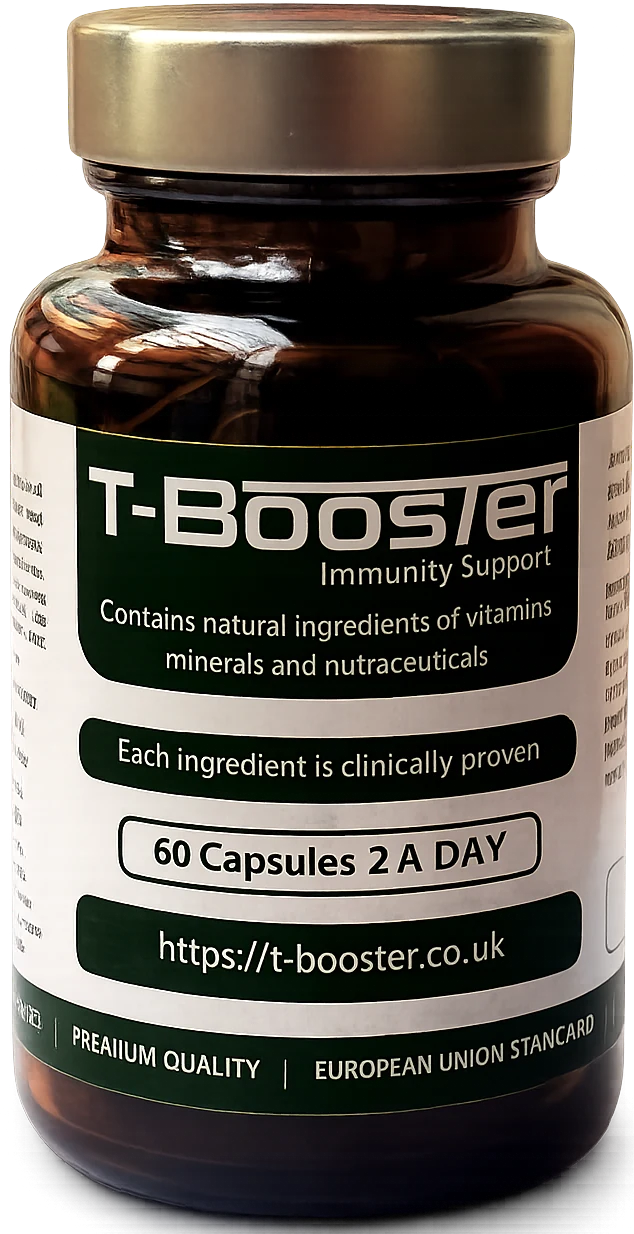
Avix has already shown it can translate scientific concepts into structured product-development programmes through the development and clinical evaluation of T-Booster. That experience — from laboratory research through formulation, human study, manufacturing coordination and commercial preparation — is the foundation for advancing Green Antibiotics from screening to market.

24
Team members supporting the programme
11
Disciplines from lab bench to market
41
Combinations screened to date
1
Product already taken through a completed human study (T-Booster)
MicrobiologyMolecular & structural biologyDrug discoveryPharmacy & formulationClinical & laboratory researchBioinformaticsAI & machine learningManufacturingQuality & regulatory planningCommercial strategyMarketing & business development
Investors & partnerships

Funding twelve months of evidence, IP and first revenue.

We are early-stage with in-vitro proof of concept, no filed IP and no product on the market. This page says exactly what stage we are at and what the money buys.

The case

Why this, why now.

A billion-dollar category exists and is growing at around 6% a year. Its incumbents compete on performance claims rather than documented activity against named resistant pathogens. Regulation is closing off routine antimicrobial use in the markets producers most want to sell into.

We have reproducible in-vitro activity against two organisms conventional antibiotics are failing to control, and a twelve-month plan that reaches revenue rather than only another laboratory result.

Position, stated plainly

Where we are not yet

  • No patent applications filed. Filing is the first use of funds.
  • No in-vivo efficacy, toxicology or residue data.
  • No product authorised for sale in any jurisdiction.
  • No revenue and no commercial agreements in force.
  • Regulatory classification not yet confirmed with advisers.
Use of funds

What the round pays for.

Indicative allocation. Final figures are in the investor pack.

One

Intellectual property

Patent attorney, prior art search and priority filings on the lead combinations, ahead of any further disclosure.

Two

Laboratory programme

MIC determination, serial-passage resistance studies, cytotoxicity screening, and independent CRO verification.

Three

In-vivo poultry study

Controlled broiler trial designed to EFSA data standards so the same work serves both regulatory tracks.

Four

Manufacture & QC

CMO batches, potency assay, stability and raw-material sourcing to control batch-to-batch variability.

Five

Regulatory strategy

Formal classification advice across Bangladesh, UK and EU, so trials generate data regulators will accept.

Six

Team

Animal-health regulatory and commercial experience — the capability the founding team does not have.

Risk factors

What could go wrong.

Every early-stage investment carries risk. These are the specific ones here.

Risk

In-vitro may not translate

Activity on agar frequently fails to reproduce in a living animal where absorption, metabolism and gut environment intervene. This is the principal technical risk and why the in-vivo study is the first major milestone.

Risk

No IP currently filed

Until priority applications exist the combinations are unprotected. Delay increases exposure to independent development or inadvertent disclosure.

Risk

Regulatory classification

Whether the product is a feed material, a zootechnical additive or a veterinary medicine materially changes cost, timeline and value in each market.

Risk

Raw material variability

Botanical potency varies with growing conditions, harvest and extraction. Consistent potency at scale is the documented failure mode in this category.

Risk

Well-capitalised competition

Cargill, DSM-Firmenich, Adisseo and specialist phytogenic firms hold distribution we do not. Differentiation depends on producing data they have not.

Risk

Price sensitivity

Producers run thin margins. Without cost parity or an offsetting performance gain, adoption is limited to regulated export markets.

Materials

Request the pack.

Investor deck, screening data, twelve-month plan, financial model and regulatory strategy. Released under NDA. We reply within one working day.

  • Investor deck
  • Screening data set and raw plate images
  • Development and regulatory plan
  • Financial model and use of funds
Thank you — your email app should now open with the message ready to send to hello@greenantibiotics.co.uk. If it doesn't, please email us directly. We reply within one working day.

Materials are released to qualifying investors following completion of a non-disclosure agreement.

Investment notice

Please read

Nothing on this website constitutes an offer, invitation or inducement to invest, or advice of any kind. Investing in early-stage companies carries significant risk, including total loss of capital, illiquidity and dilution. Forward-looking statements, projections and timelines are estimates based on current assumptions and may change. Investor materials are made available to qualifying investors only. Prospective investors should take independent financial and legal advice.

Contact

Talk to us.

Investor, partnership, scientific and press enquiries answered within one working day.

Thank you — your email app should now open with the message ready to send to hello@greenantibiotics.co.uk. If it doesn't, please email us directly. We reply within one working day.

We use your details only to respond to this enquiry. See our privacy policy.

United Kingdom

UK office

AVIX Pharmaceuticals Limited
Suite 01, 195–197 Wood Street
London, E17 3NU, United Kingdom
Registered in England & Wales no. 11299779

+44 20 7288 4567
+44 7726 886415
hello@greenantibiotics.co.uk

Bangladesh

Operations & laboratory

Floor 5, 23 Central Road
Dhaka-1205, Bangladesh

+880 1713 044440
+880 1711 520429

Confidentiality

Scientific enquiries

Detailed formulation and screening information is shared under a non-disclosure agreement. Tell us what you need and we will send an NDA with our reply.

Privacy policy

Privacy policy.

How AVIX Pharmaceuticals Limited handles the information you share through this website.

Terms & conditions

Terms & conditions.

The terms on which AVIX Pharmaceuticals Limited makes this website available.

Disclaimer

Scientific & regulatory disclaimer.

Please read this before relying on any information presented on this website.